

A pergola is more than a decorative structure. It serves as an essential element in outdoor spaces, providing shade, style and an extended living area, and its material decides how long it lasts, how much care it needs and how it looks after a few Texas summers.
That is why aluminum vs wood pergolas is one of the first questions homeowners ask. Climate conditions, upkeep requirements and durability should be carefully considered, and in regions with intense sun, humidity and frequent storms, like Houston, a weather-resistant material keeps the pergola beautiful and functional for years. New Gen Patio has built 900+ outdoor living spaces across Houston and Austin, always in architectural aluminum, and this guide compares both materials honestly.
Aluminum vs Wood Pergolas at a Glance
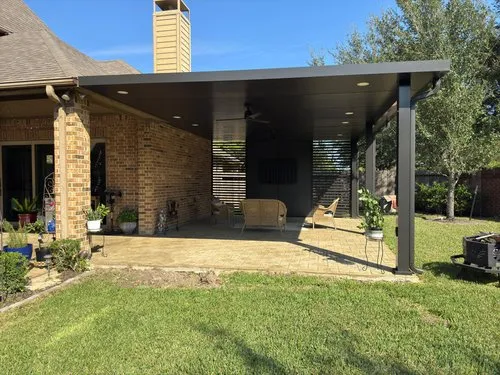
Aluminum wins on durability and upkeep, while wood wins on natural warmth and a lower upfront cost. Wood pergolas are traditionally favored for their natural, rustic charm and blend easily into gardens, but they require consistent upkeep to prevent rotting, warping and insect damage. Aluminum pergolas provide a sleek, contemporary look with long-lasting durability and withstand harsh weather without deteriorating.
| Factor | Aluminum | Wood |
|---|---|---|
| Look | Sleek, modern, powder-coated colors | Warm, natural grain |
| Durability | Does not rot, crack or warp | Needs protection from moisture, UV and pests |
| Maintenance | Occasional rinse with soap and water | Regular sanding, staining and sealing |
| Cost | Higher upfront, lower over time | Lower upfront, ongoing upkeep costs |
| Sustainability | Highly recyclable, no chemical treatments | Requires harvesting and preservatives |
Use the table as a starting point, then weigh each factor against your climate, your budget and the time you want to spend on upkeep.
Advantages of Aluminum Pergolas
Aluminum earns its place in Texas backyards through three strengths: it shrugs off weather, it asks for very little care, and it gives you a modern, customizable look. Here is what each means in practice.
Exceptional Durability and Weather Resistance
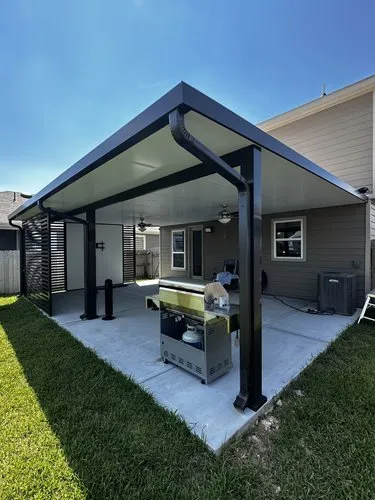
Unlike wood, aluminum does not rot, crack or warp over time. It resists moisture, termites and UV exposure, which makes it a strong choice for areas with high humidity, extreme heat or heavy rainfall. Gulf Coast summers, with long humid stretches broken by sudden storms, are exactly the conditions where that difference shows.
Strength matters as much as weather resistance. Architectural aluminum can be engineered for real wind loads, and New Gen Patio designs its structures for wind resistance of up to 120 mph. We prepare the drawings and HOA/permit documents (engineer-stamped when required); you submit them and pay the fees. The frame also supports roofing upgrades such as insulated roof panels or a polycarbonate roof, turning an open pergola into a covered patio you can use year round.
Low Maintenance and Longevity
Wood pergolas need frequent sanding, staining and sealing to prevent decay. Aluminum skips all of that. A powder-coated aluminum pergola does not need repainting on a schedule and only asks for occasional cleaning with mild soap and water, which saves time, effort and long-term maintenance costs.
That difference grows every year the pergola stands, because each skipped sealing season on other materials invites damage, while aluminum simply keeps its finish. Longevity is also backed in writing. New Gen Patio covers its aluminum structures with a 5-year structural warranty, a 5-year finish warranty and a $0 Maintenance Guarantee. For a simple care routine, see our aluminum pergola maintenance guide. For a ten-year view by material, see our low maintenance pergola comparison.
Modern Look, Custom Finishes and a Greener Choice
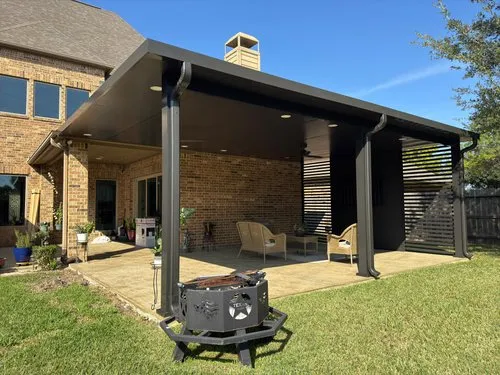
Aluminum pergolas suit contemporary homes, with minimalist structures, clean lines and slim profiles. The powder coat comes in several shades, such as Dark Bronze and White, to match your home's trim and windows, and you can see the palette on our custom aluminum pergola page. Some manufacturers also offer wood-look finishes for homeowners who want the grain without the upkeep.
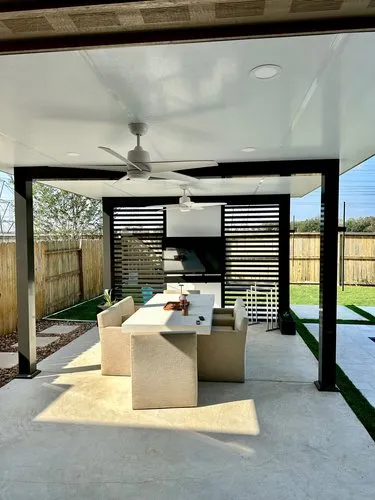
Aluminum is also a responsible choice. It is highly recyclable, and it does not need chemical treatments like wood preservatives, which keeps those products out of your yard and away from kids and pets. It is a versatile base, too: add a TV wall, LED lighting or an outdoor kitchen, and the same aluminum frame becomes the anchor for the whole outdoor room, with wiring concealed inside the structure.
Advantages of Wood Pergolas
Wood still has real fans, and its two main advantages are a natural, traditional look and a lower upfront price. New Gen Patio builds only in aluminum, but a fair comparison should explain both.
Natural Warmth and Flexible Finishes
Wood pergolas bring an organic, rustic feel that blends with gardens, patios and natural landscapes. They offer a classic feel for traditional spaces and suit farmhouse-style homes, and many homeowners simply love the texture and smell of real timber. In a garden full of plants, that natural grain can feel like part of the landscape.
Wood is also easy to change. It can be stained or painted to suit changing styles, from classic cedar tones to bold, dark finishes, and a homeowner can refresh the color years later with a new stain or a fresh coat of paint. That flexibility is genuine, although every new coat is also part of the maintenance the material requires to stay sound in a humid climate.
Lower Upfront Cost
Wood pergolas are generally more affordable upfront than aluminum ones. For a homeowner focused on the first check, that difference can be persuasive, especially for a small, simple structure or for a home they plan to sell soon. Lumber is widely available, and simple designs can go up quickly with basic tools.
The full picture only comes later. Sealing, staining and repairs after weather damage add up over the years, and in a hot, humid climate they come around more often. When you compare quotes, always look at the full cost of owning the pergola over its life, not only the price of building it. To see what goes into a custom aluminum build, visit our custom aluminum pergola page.
Disadvantages of Each Material
No material is perfect, and knowing the trade-offs up front avoids costly surprises later. Aluminum's downsides are about price and feel, while wood's are mostly about upkeep, weather and pests.
Aluminum Pergolas
The first drawback is a higher initial cost. Aluminum is more expensive at first, although that is offset over time by the material's longevity and lower long-term maintenance. Flexible financing can also spread the investment out, which is why many homeowners pair the build with up to 0% financing for 18 months.
The second drawback is a less "natural" look. Aluminum may lack the organic warmth of real wood, despite modern finishes. Homeowners who want a rustic style usually balance it with the right color, warm lighting, outdoor rugs and plants, which soften the clean lines and make the space feel inviting without adding upkeep. A free 3D design helps you see that balance before anything is built.
Wood Pergolas
Wood's main drawback is maintenance. It needs regular sealing, staining and repairs to avoid rot, termites and warping, and skipping a season in Texas can shorten its life. That work usually falls on weekends, or on a contractor you have to schedule and pay again.
Weather is the second issue. In humid climates wood is susceptible to mold and deterioration, and standing water at the base of posts speeds up decay. Pests are the third: unlike aluminum, wood can attract termites without treatment, which means more treatments and inspections over the years. Termite damage often starts out of sight, inside posts and joints, so it can be advanced before anyone notices it. Together, these make wood the higher-effort option in Houston.
Which Pergola Is Right for You?
For most homeowners in Houston and Austin, aluminum is the better fit, because the climate punishes materials that need constant protection. Check four key considerations before choosing:
- Climate: aluminum excels in hot, humid or rainy environments thanks to its weather resistance.
- Maintenance: choose aluminum for low upkeep. Choose wood for a traditional look if you do not mind the care.
- Budget: wood is cheaper short term, aluminum is smarter long term.
- Style: sleek and modern means aluminum. Rustic means wood.
For a contemporary, durable and low-maintenance solution, aluminum is the best option, while wood remains a beautiful alternative for those who do not mind regular care. If you are still deciding between a pergola and a full roof, read about the difference between a covered patio and a pergola.
Conclusion: Ready to Transform Your Outdoor Space?
Both aluminum and wood pergolas have benefits, and the best choice depends on your climate, style and maintenance goals, along with your budget. If you value durability, low maintenance and a modern look, an aluminum pergola is the best investment. If you prefer a rustic look and will commit to regular upkeep, wood may fit. Either way, judge the material by its long-term care and lifespan, not only the initial cost. To see how aluminum performs on the Gulf Coast, read what actually works in Houston heat.
If you are ready for a custom aluminum pergola, contact our team. We design durable, stylish, low-maintenance outdoor spaces built for life, always in aluminum. We prepare the drawings and HOA/permit documents (engineer-stamped when required); you submit them and pay the fees. Start with our aluminum pergola Houston buyer's guide or browse the project catalog.